
 Sabrina Grassini
Sensing solutions for cultural heritage safeguard
Sabrina Grassini
Politecnico di Torino
SHORT BIOGRAPHY
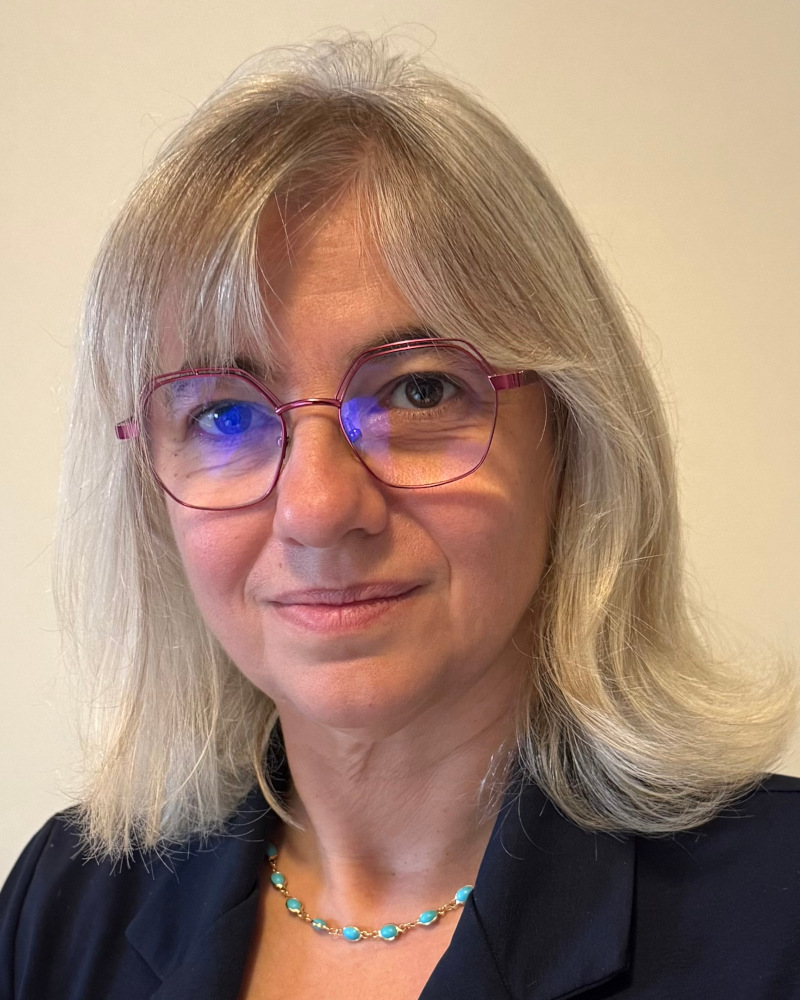
Sabrina Grassini received the M.S. degree in Chemistry from the University of Torino in 1999, and the Ph.D. degree in Metallurgical Engineering from Politecnico di Torino, Italy, in 2004. She is Full Professor of Applied Physical Chemistry with the Department of Applied Science and Technology at Politecnico di Torino. She is the Coordinator of the PhD Program in Metrology of Politecnico di Torino.
Her research activities are devoted to plasma chemistry and thin films, materials and diagnostic techniques for cultural heritage safeguard, sensors, and medical measurements. During her career she has been involved in several international projects devoted to the conservation of cultural heritage in the Mediterranean Basin.
Currently, she is Vice-President Membership and chair of the TC-17 on Materials in Measurements of the IEEE Instrumentation and Measurement Society; she is Secretary of the Working Party 21 on Corrosion of Archaeological and Historical Artefacts of the European Federation of Corrosion, and member of the IMEKO-TC24 on Chemical Measurements. She is Associate Editor of the IEEE Transaction of Instrumentation and Measurement. She served as General Chair and of the International Instrumentation and Measurement Technology Conference in 2017 (I2MTC2017), and of the several editions of the IEEE International Symposium on Medical Measurements and Applications (MeMeA).
 Jiří Homola
Plasmonic biosensors and their applications in molecular medicine
Jiří Homola
Institute of Photonics and Electronics, Czech Republic
SHORT BIOGRAPHY
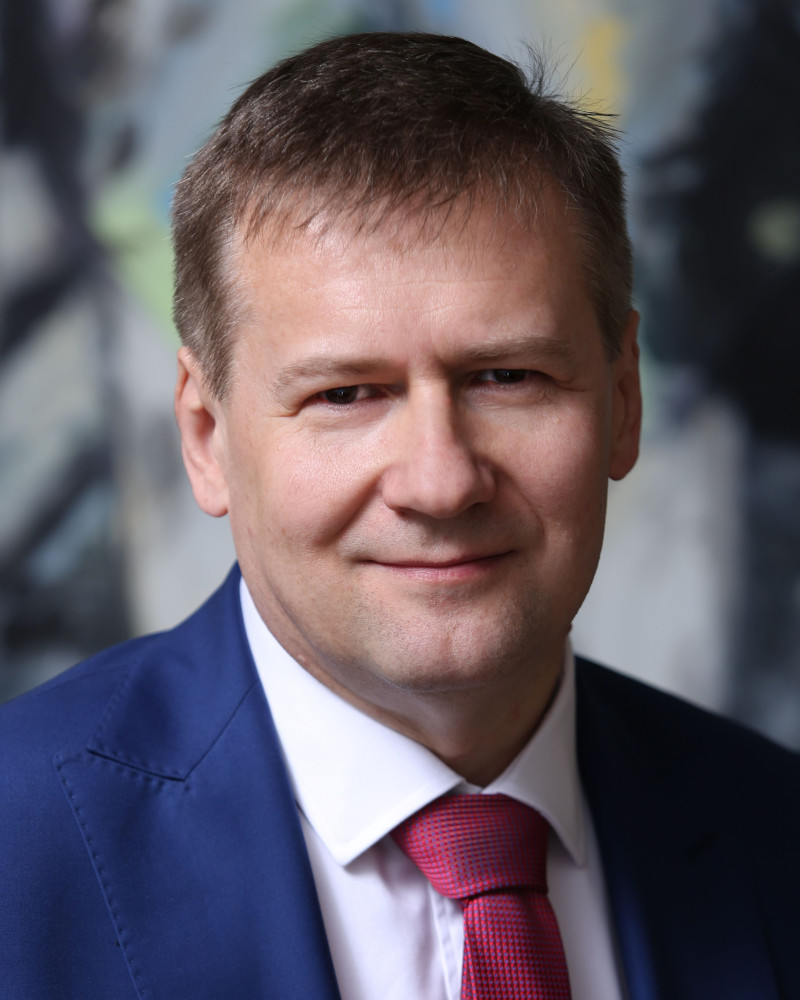
Prof. Jiří Homola is Head of the Optical Biosensors research group at the Institute of Photonics and Electronics, Prague (Czech Republic). He is also Professor at Charles University in Prague. He received his MS (1988) from the Czech Technical University and PhD (1993) and DSc (2009) degrees from the Czech Academy of Sciences. His research interests are in photonics and biophotonics, in particular in optical sensors and biosensors. He investigates photonic and plasmonic phenomena and pursues the development of sensor instrumentation, microfluidic devices, and functional coatings for optical biosensors for molecular biology, medical diagnostics, food safety, and security. He edited 2 books and authored over 180 research papers in peer-reviewed journals with over 24,000 citations (h-index 64 according to Web of Science). He also holds 11 patents.
Prof. Homola has received numerous awards, including the Roche Diagnostics Prize for Sensor Technology, Award for Outstanding Research of the Ministry of Education, Youth and Sports of the Czech Republic, Premium Academiae of the Czech Academy of Sciences, and Czech Head. He has been elected a Fellow of the Learned Society of the Czech Republic and Fellow of the International Society for Optical Engineering (SPIE).
Generative AI for sensors: from cloud to edge perspective
 Ivana Guarneri
Ivana Guarneri
STMicroelectronics
 Enrico Alessi
Enrico Alessi
STMicroelectronics
SHORT BIOGRAPHIES
Ivana Guarneri is a Senior AI Research Advisor at STMicroelectronics, advancing Artificial Intelligence at the Edge by developing innovative AI algorithms integrated with ST’s proprietary hardware. She drives Edge AI solutions across sensors, microcontrollers, and Neural Processing Units, strengthening ST’s technology leadership. Ivana also fosters academic collaboration through internships and PhD supervision. She is the author of numerous technical papers and AI patents, mainly in Automatic Speech Recognition at the Edge, and serves on the Computer Engineering Advisory Committee at the University of Enna Kore.
After graduating from the University of Catania (Italy) in 1997 with a degree in Electronic Engineering, Enrico’ s professional career started with IBM and Wind Telecommunications working on ICT and telecommunication standards. In 2000 he joined ST to work on sensors for smart applications and later in the medical segment as R&D Manager and led a strategic project focused on human DNA analysis. During this time, he worked on building semiconductor chips and hybrid silicon-plastic devices, hardware, software and instrumentation for In Vitro Diagnostics, maturing experience in design for manufacturing, technical standards and medical certifications. Today, Enrico is contributing ST to develop the next wave of devices for vital signs monitoring. Focusing on both integrated and system-in-package solutions, he and his team are working on developing devices and methods, platforms and solutions for monitoring vital signs and human physiological parameters for transversal applications from medical field to mobile phones and wearable devices for virtual and augmented reality. Enrico holds a second degree in Computer Science at the University of Catania in 2006.